
Adhesive graphics perform best on clean, stable, compatible surfaces. Fresh paint, texture, oxidation, contamination, low-energy plastics, and failing coatings can all change the result.
Surface preparation
The surface must be clean, dry, and free of wax, silicone, grease, dust, and failing paint. Some cleaners leave residues that interfere with adhesion.
Paint and wall conditions
Fresh paint needs adequate cure time. Low-VOC paints, texture, moisture, and weak paint-to-wall adhesion can create failures even when the film itself is functioning normally.
Care and removal
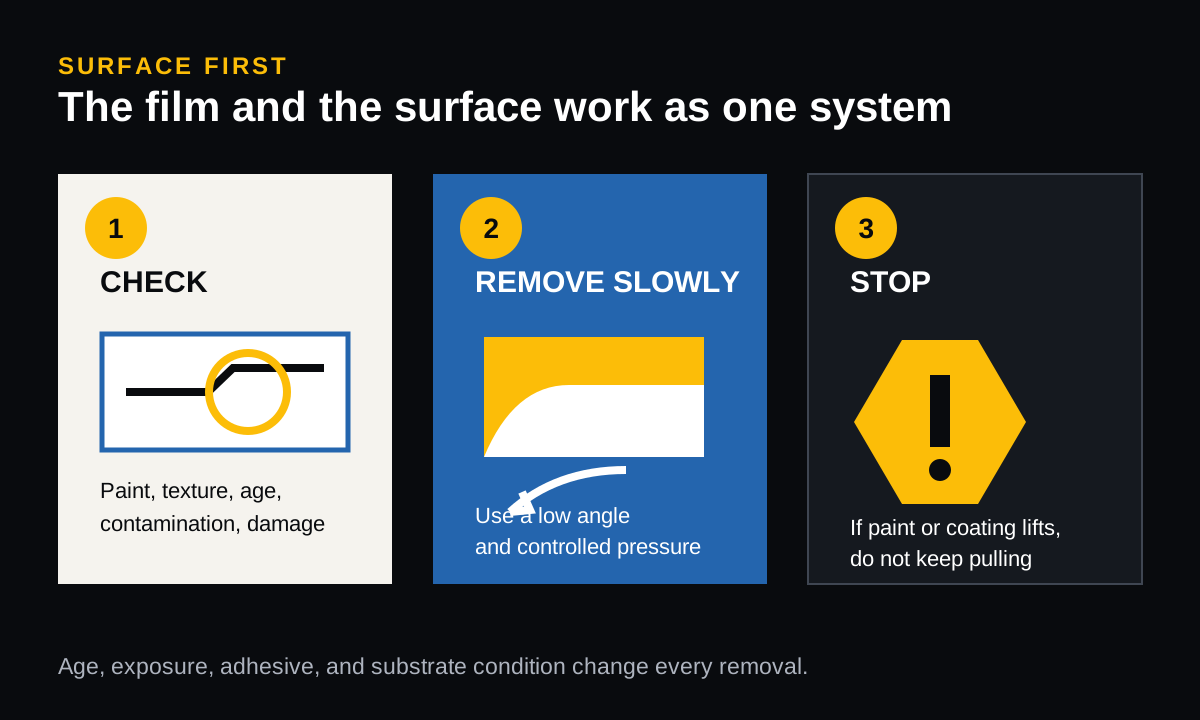
Avoid aggressive edges, pressure washing directly at film seams, and harsh solvents. Removal results depend on film age, exposure, adhesive, and the condition of the substrate underneath.
The right material and production method depend on the surface, location, size, expected life, and installation conditions.